As immersive producers, we handle the whole chain: research and story, fieldwork, 3D capture, filming, development and delivery. We have made work for and with National Geographic, Disney, Swedish state museums, KTH Royal Institute of Technology, Stockholm University and EU-funded research projects.
We work across Sweden, Scandinavia and worldwide.
The story decides the format. Sometimes that is a VR headset. Often it is a browser, a phone, a dome or a room in a museum, because that is where the audience is.
What do you produce?
Seven kinds of work, often combined in one project:
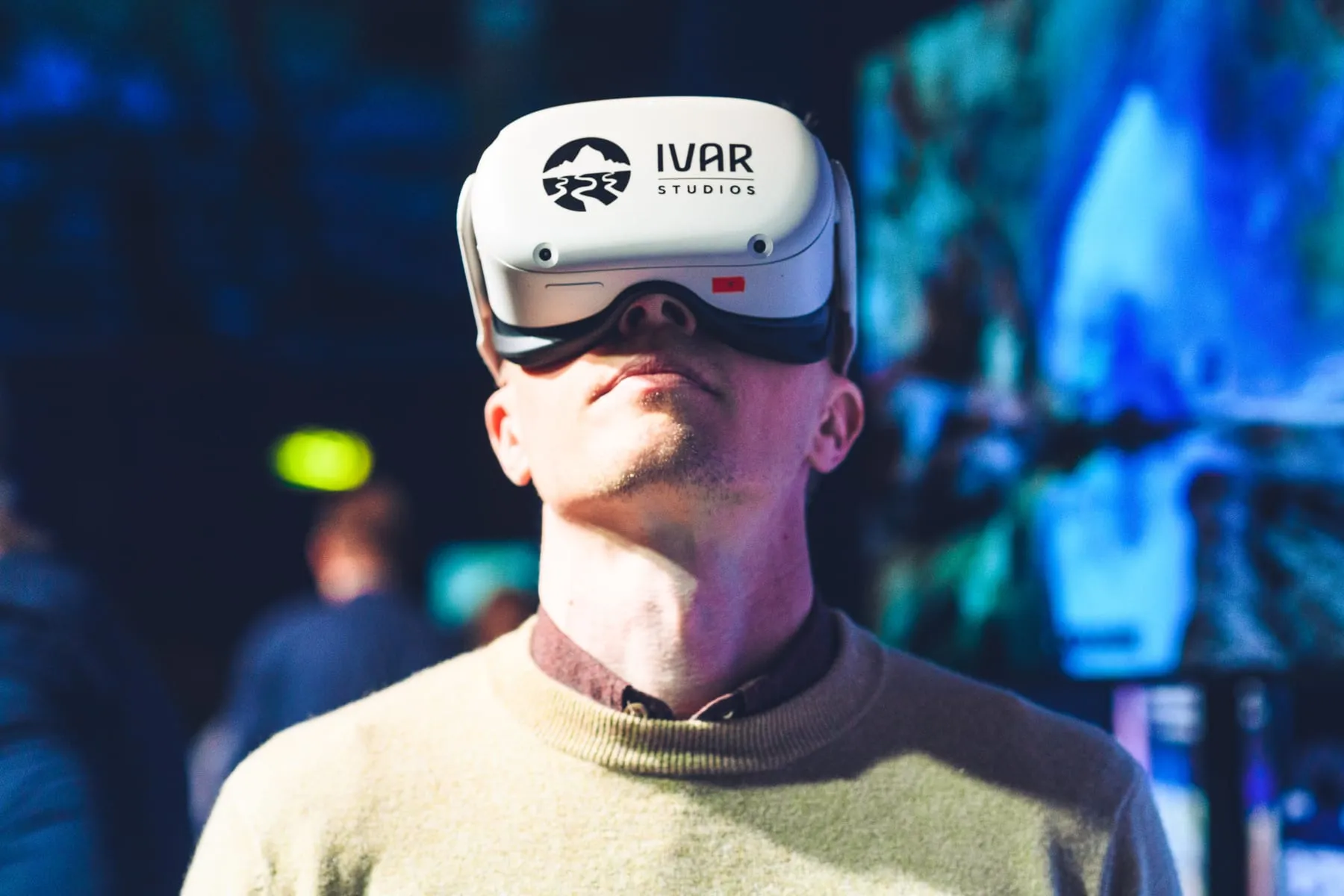
- VR experiences for headsets, from guided stories to worlds you can walk around in: ICEVR, Victoriafortet.
- WebXR and interactive web: experiences that run in any browser, on a phone, a laptop or a headset, with nothing to download: Memories of Mexico, Qikiqtaruk, Candi Tinggi.
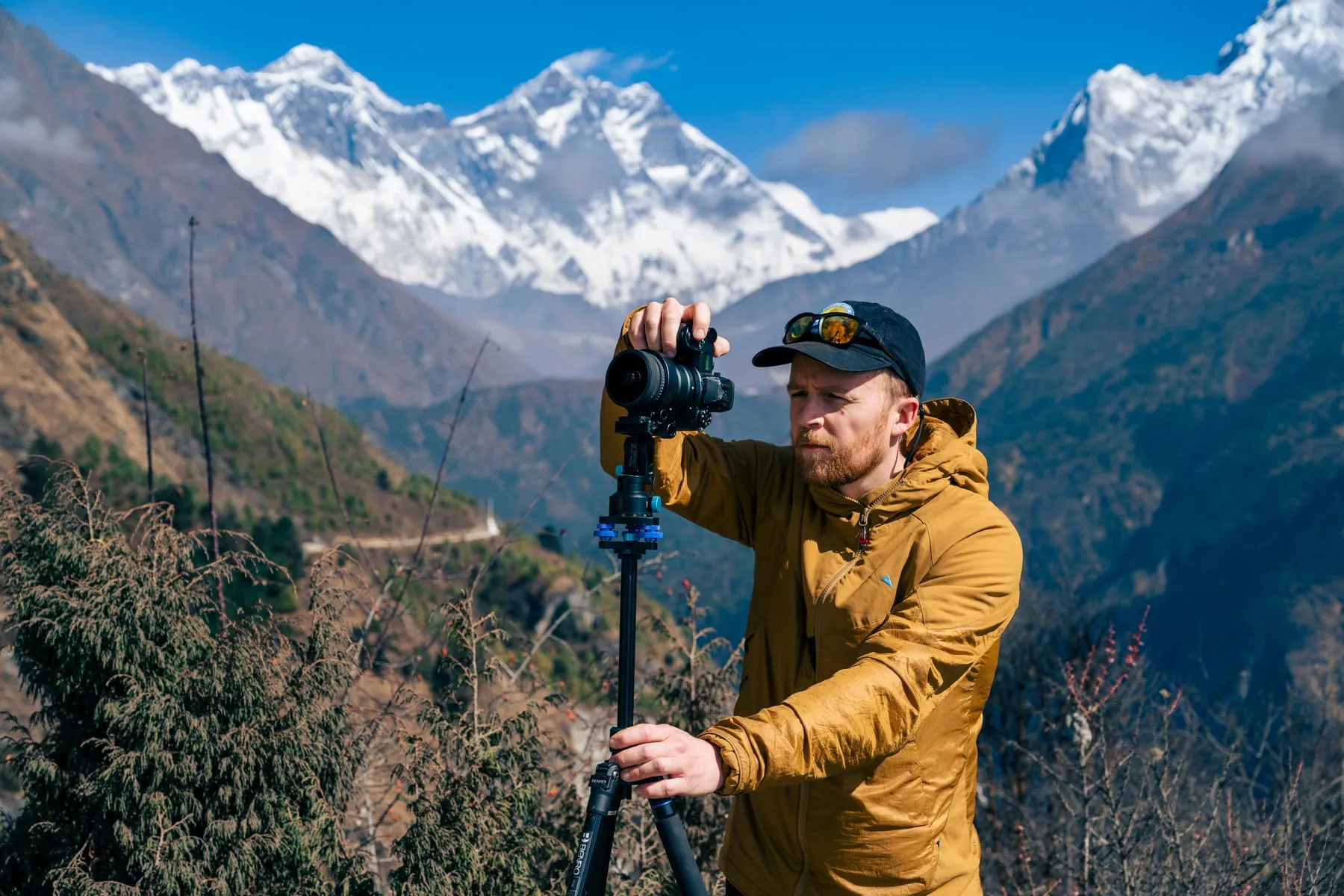
- 360° film: documentary VR shot on location, from Mount Everest base camp to the middle of a lion pride in Zambia.
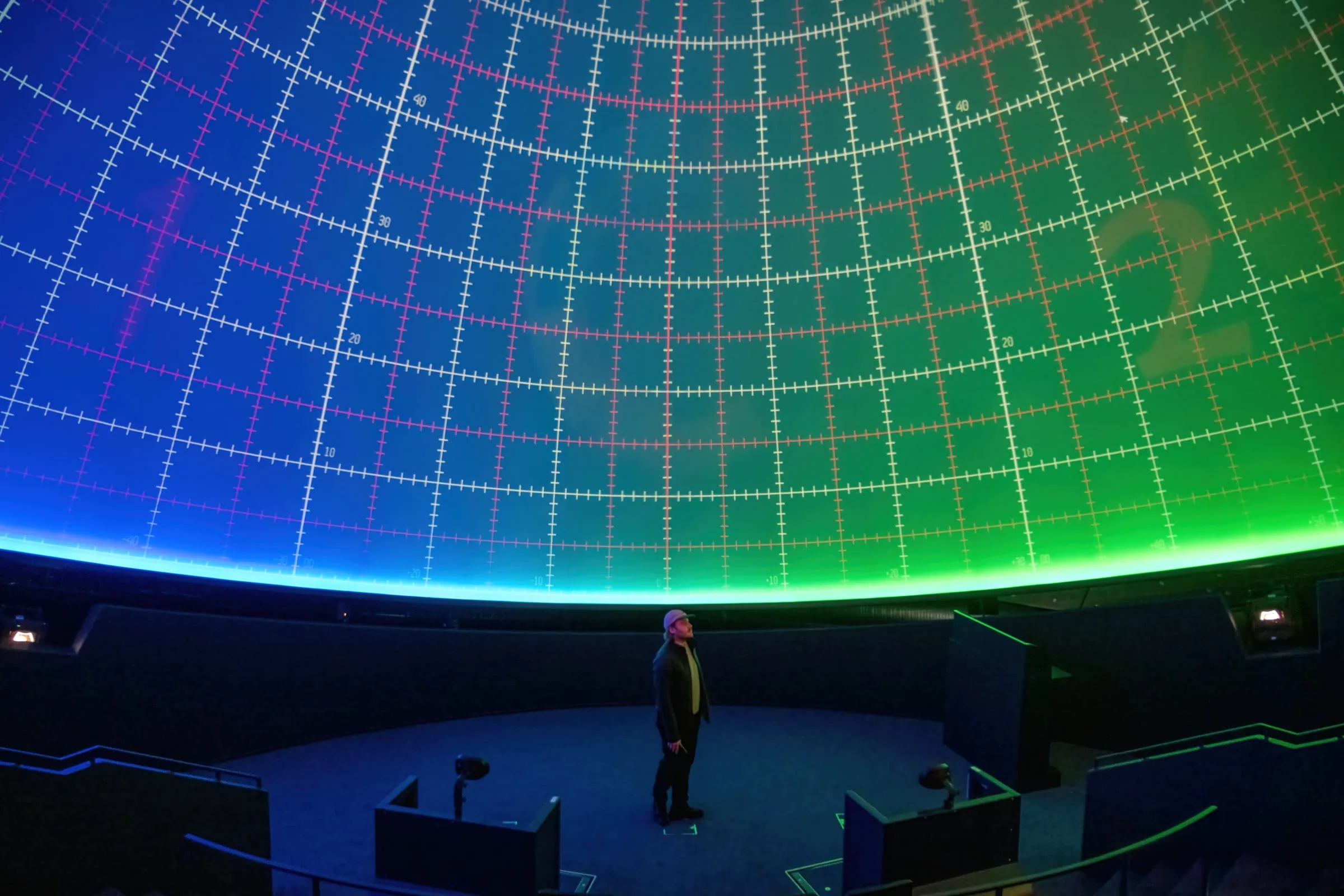
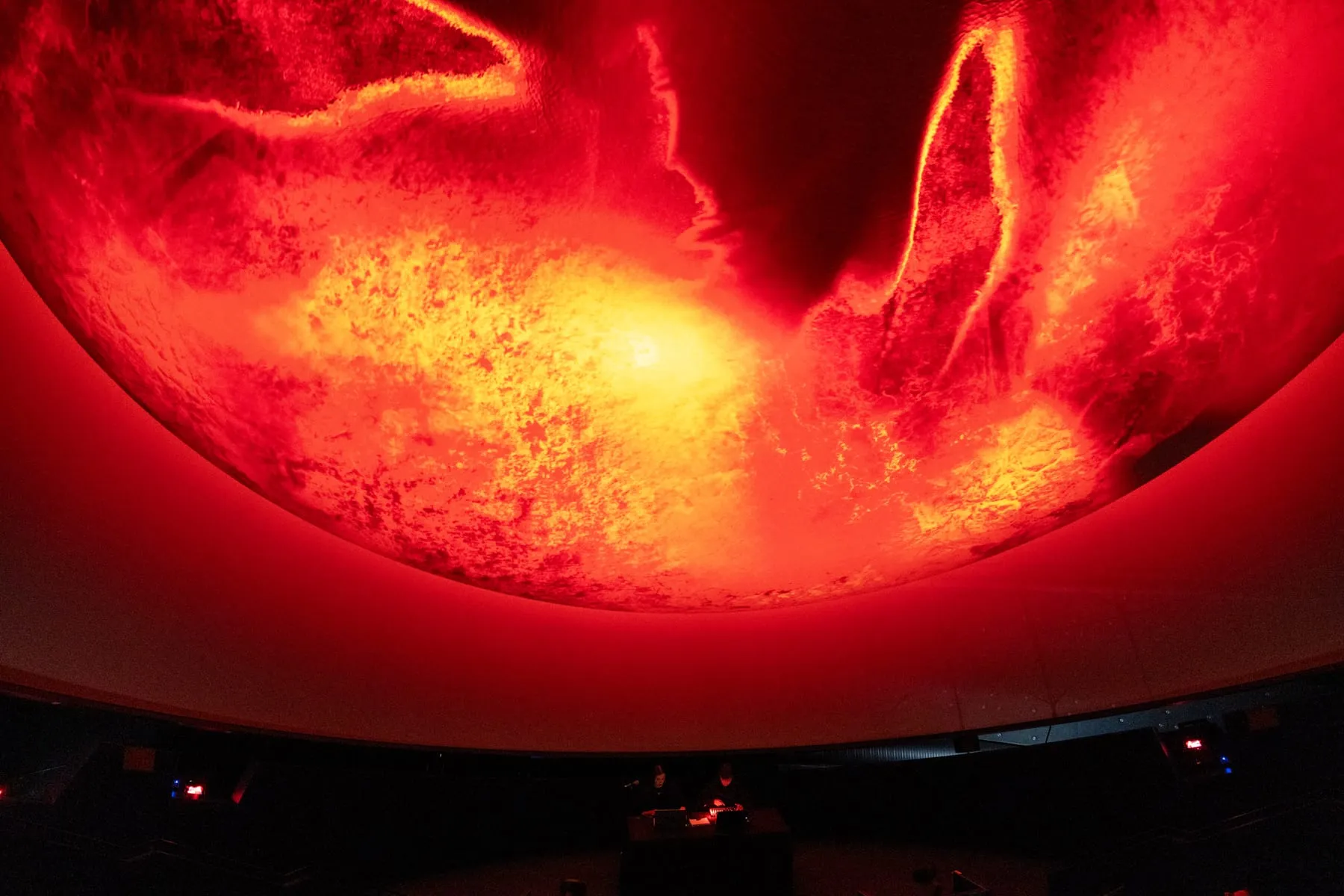
- Fulldome: films and installations for planetarium domes, such as Dome Conductor at Tekniska museet and our fulldome documentary Nordic Glaciers.
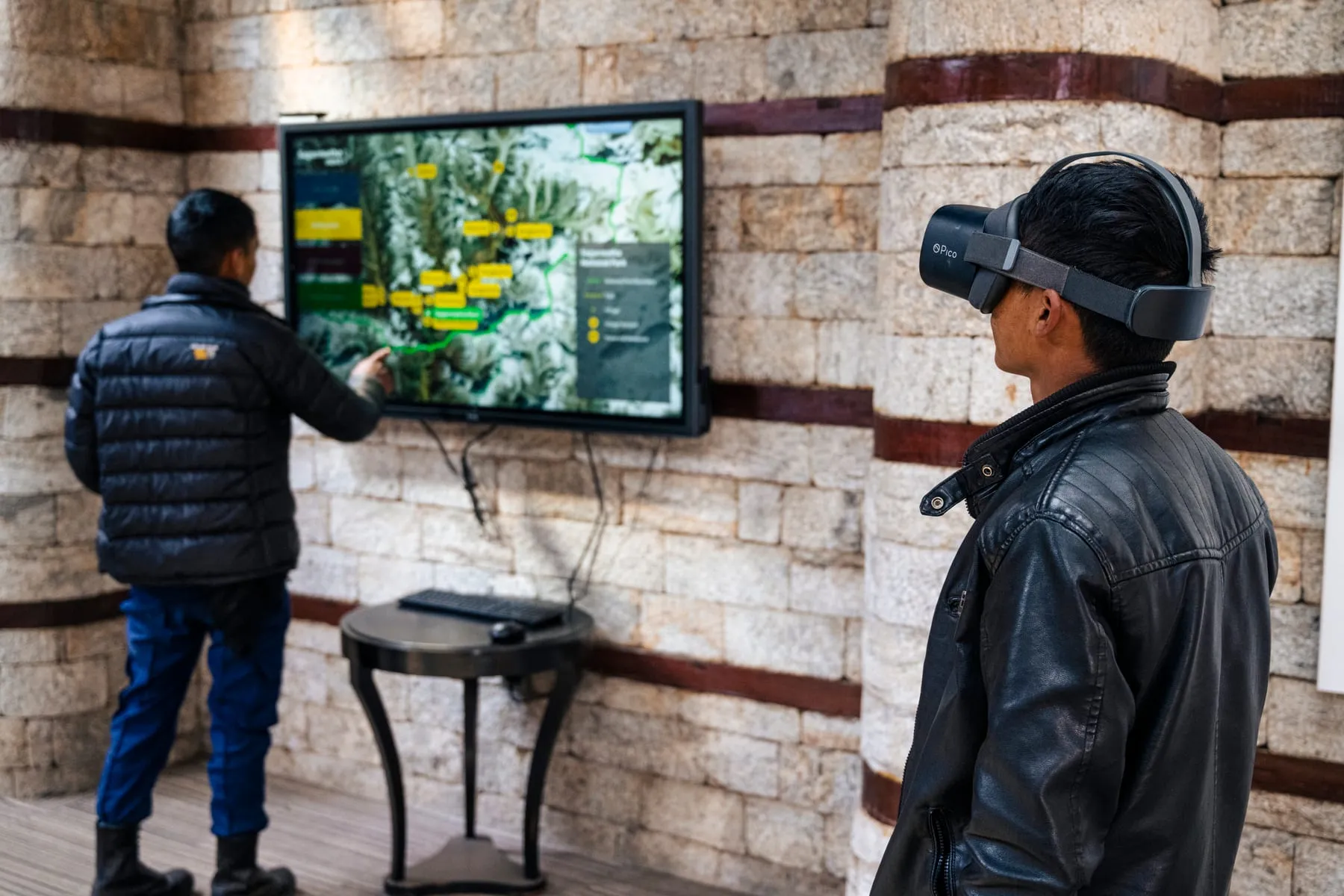
- Exhibitions and visitor centres: the Sagarmatha Next centre at 3,775 metres in Nepal, with film, VR and a physical exhibition.
- AR and spatial computing: the Stonehenge AR experience for National Geographic, and the location capture for the Thingvellir environment on Apple Vision Pro.
- AI-guided 3D tours: field.tours, our own engine, in which an AI host shows visitors around a scanned place and answers from real sources.
Which platforms and venues?
We build for the place where your audience will meet the work, and we test on the real hardware.
In a classroom that usually means a browser on a school laptop, with a headset as an option. In a museum it means a touchscreen, a headset station or a whole room, run by staff who have other things to do. In a planetarium it means a fisheye master for the dome. Online it means a link that works on a phone.
When it matters, we make more than one version. Victoriafortet has a 360° experience that runs on any device and a full 3D version for headsets.
How does a production run?
- Proposal: we help shape the idea, the formats and the budget, often as part of a grant application.
- Research: we read the papers, visit the place and talk to the people who know the subject.
- Story: a script or a structure, checked for accuracy by the experts.
- Production: fieldwork, filming and 3D capture, then development, sound and testing with real users.
- Delivery: installation, launch and versions for each platform. We agree up front who hosts and maintains the work afterwards.
What has the work achieved?
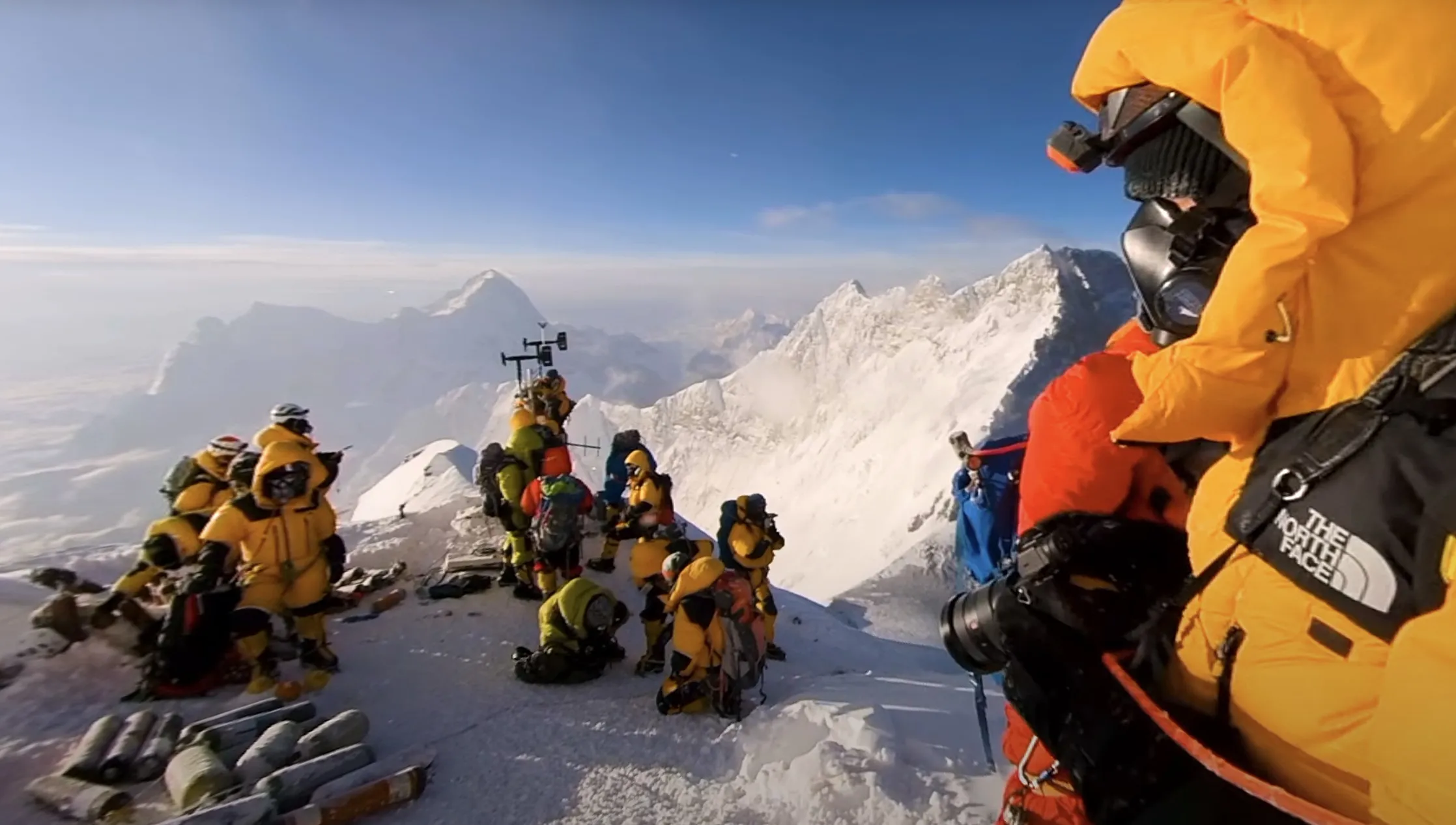
- Expedition Everest 360: The Science, made with the National Geographic Society, won the 2021 Webby Award and the Webby People's Voice award for Best 360 Video.
- Gibson the Lion, a 360° film for National Geographic, has more than 75 million views.
- The Sagarmatha Next centre below Mount Everest has had more than 15,000 visitors. Its film, VR and exhibition have helped recruit volunteers for the Carry me back programme, in which 6,000 visitors carried 10,000 kg of rubbish out of the region in 2022 and 2023.
- Memories of Mexico, made with the National Museums of World Culture, is used in hundreds of Swedish schools.
- Qikiqtaruk: Arctic at Risk won AWE's XR Prize in 2023 for visualising climate change, and was shown at the World Economic Forum in Davos in 2024.
- Teachers at five Swedish upper-secondary schools evaluated the ICEVR classroom material and rated it 9.6 to 10 out of 10 on average.
Do you make fulldome films for planetariums?
Yes, and here is where we are. Dome Conductor, built with KTH for the dome at Tekniska museet in Stockholm, is a live installation in which visitors conduct the Swedish Radio Symphony Orchestra. Nordic Glaciers, a documentary about climate change and Sweden's shrinking glaciers made in partnership with Stockholm University, is our first full-length fulldome film: 25 to 30 minutes, an 8K dome master, in English and Swedish, planned to premiere in 2028.
We also wrote our own tool for stitching fulldome and 360° footage inside DaVinci Resolve. If you program a dome, talk to us about Nordic Glaciers now: we are looking for dome partners for the premiere.
How do you work with people on location?
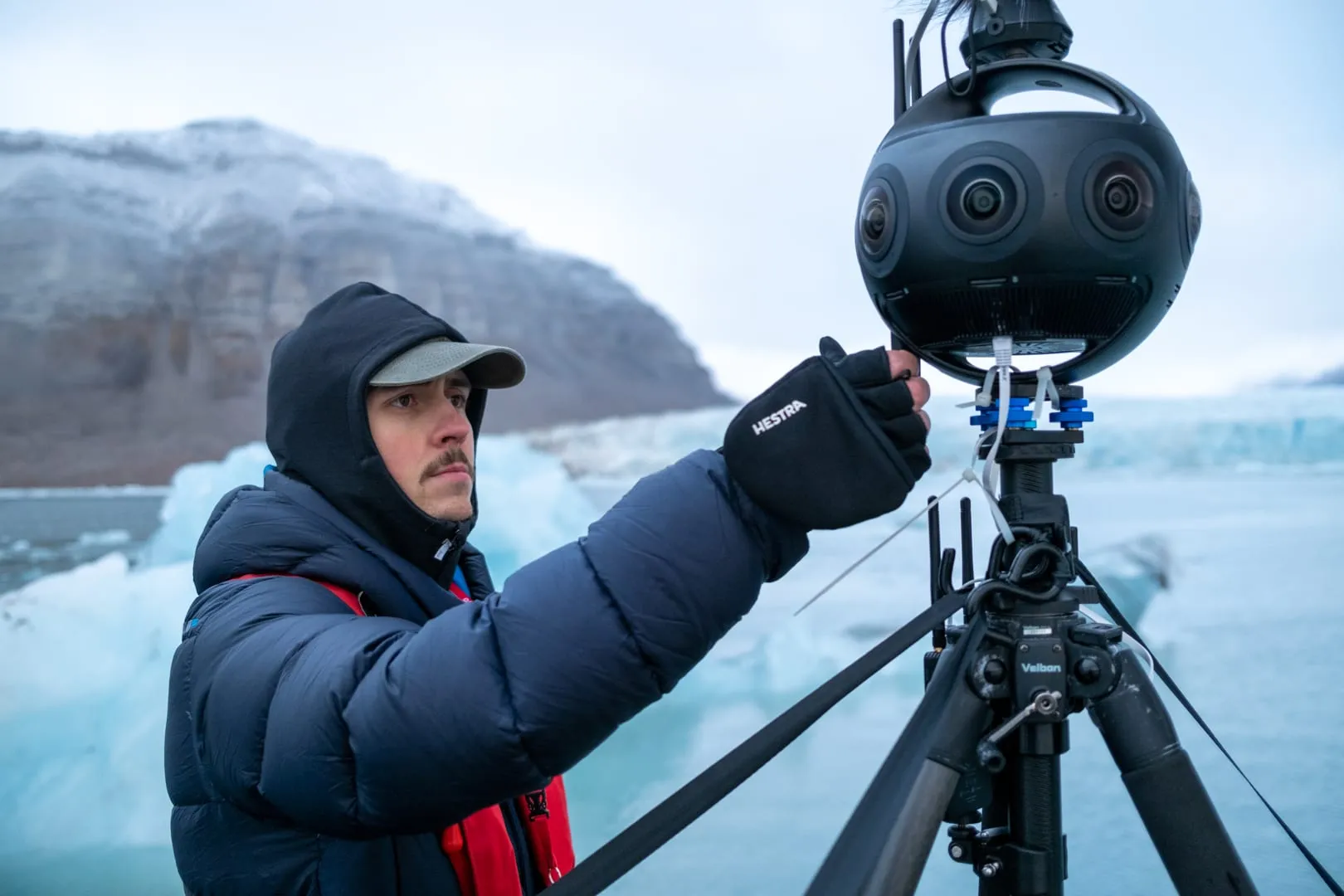
With the people who know the place. We work with local organisations, producers, guides and scientists wherever we film, and the experts we work with check the facts in our scripts: we go to great lengths to tell only scientifically accurate stories. We ask the people we film for their consent, and tell them what we are making and where it will be shown.
When we build AI into an experience, we follow our published position on AI and young learners.
Who do you work with?
Researchers who need their work to reach beyond the journal. Museums and heritage institutions with sites, collections and stories. NGOs and foundations that need people to see a place they will never visit. Agencies that need an immersive production partner. VFX and film studios that need 3D capture on location.
Selected productions
Expedition Everest VR
National Geographic · 2021
Two 360° films from the National Geographic and Rolex Perpetual Planet Expedition to Mount Everest in 2019. Webby Award and Webby People's Voice, Best 360 Video, 2021.
Memories of Mexico
Museums of World Culture · 2020
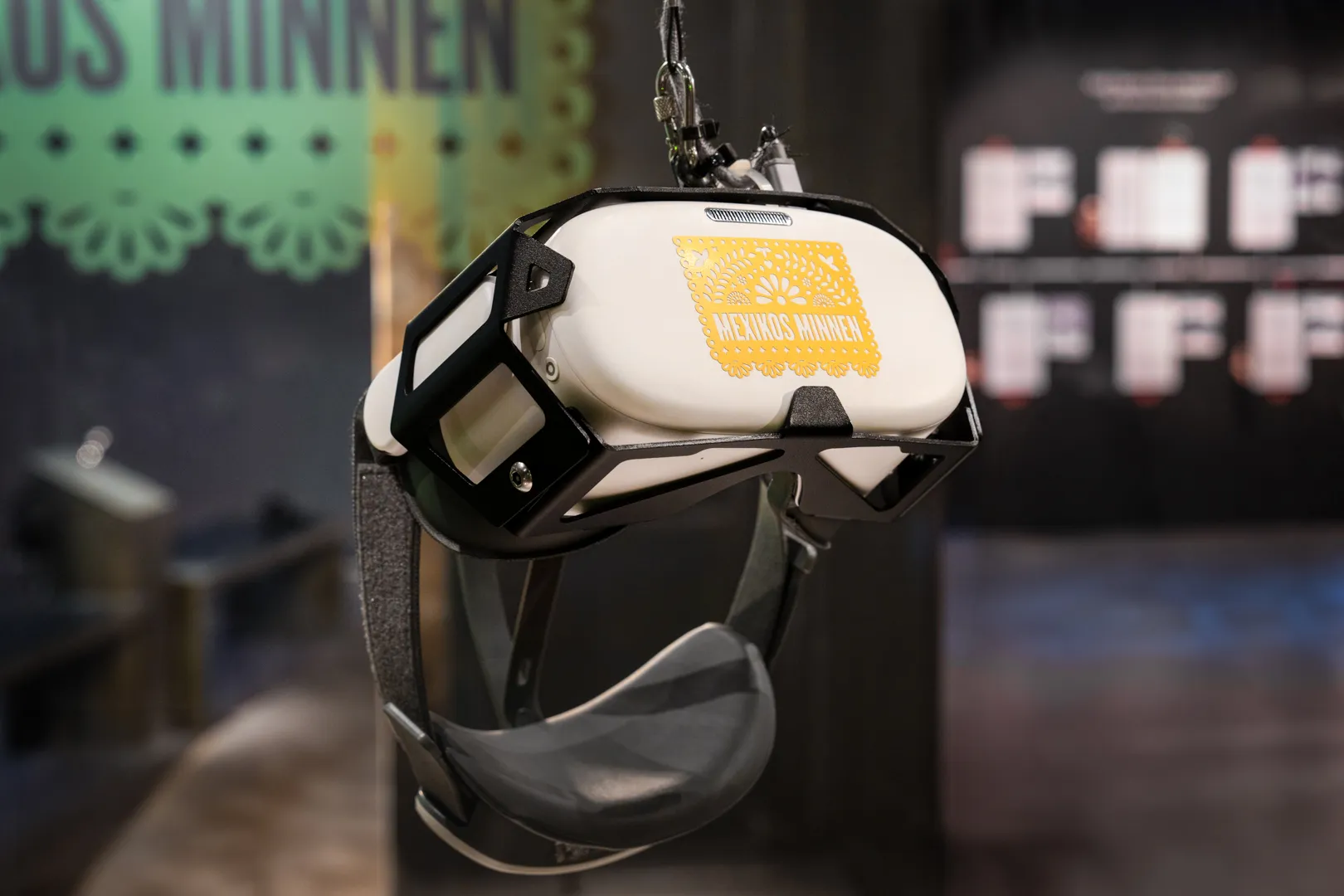
A gamified WebXR history lesson for the National Museums of World Culture. It runs in any browser with nothing to download, and is used in hundreds of Swedish schools.
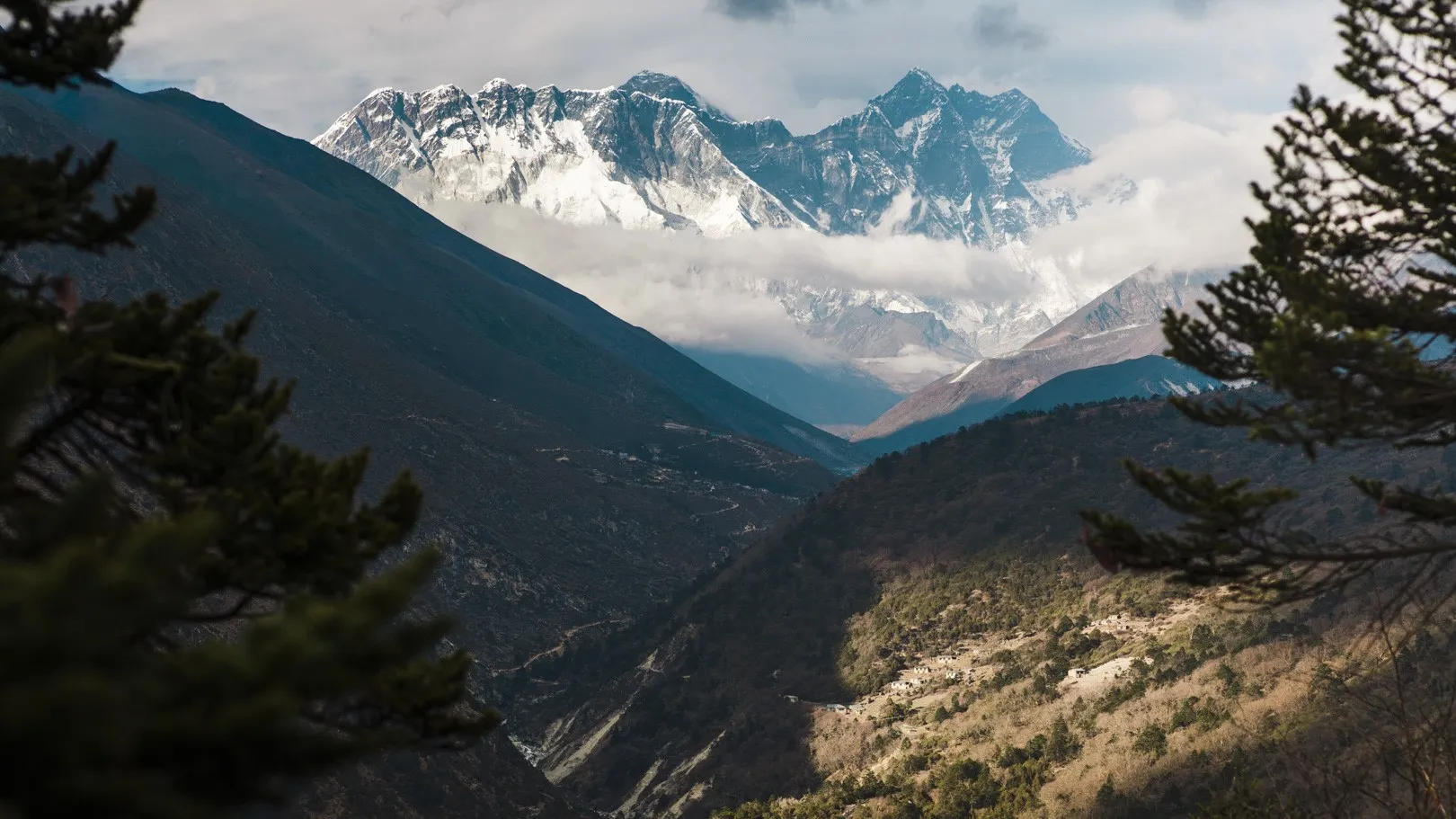
Sagarmatha Next - Experience Center
Sagarmatha Next · 2023
Film, VR and a physical exhibition at 3,775 metres near Mount Everest, for the local organisation Sagarmatha Next. More than 15,000 visitors.
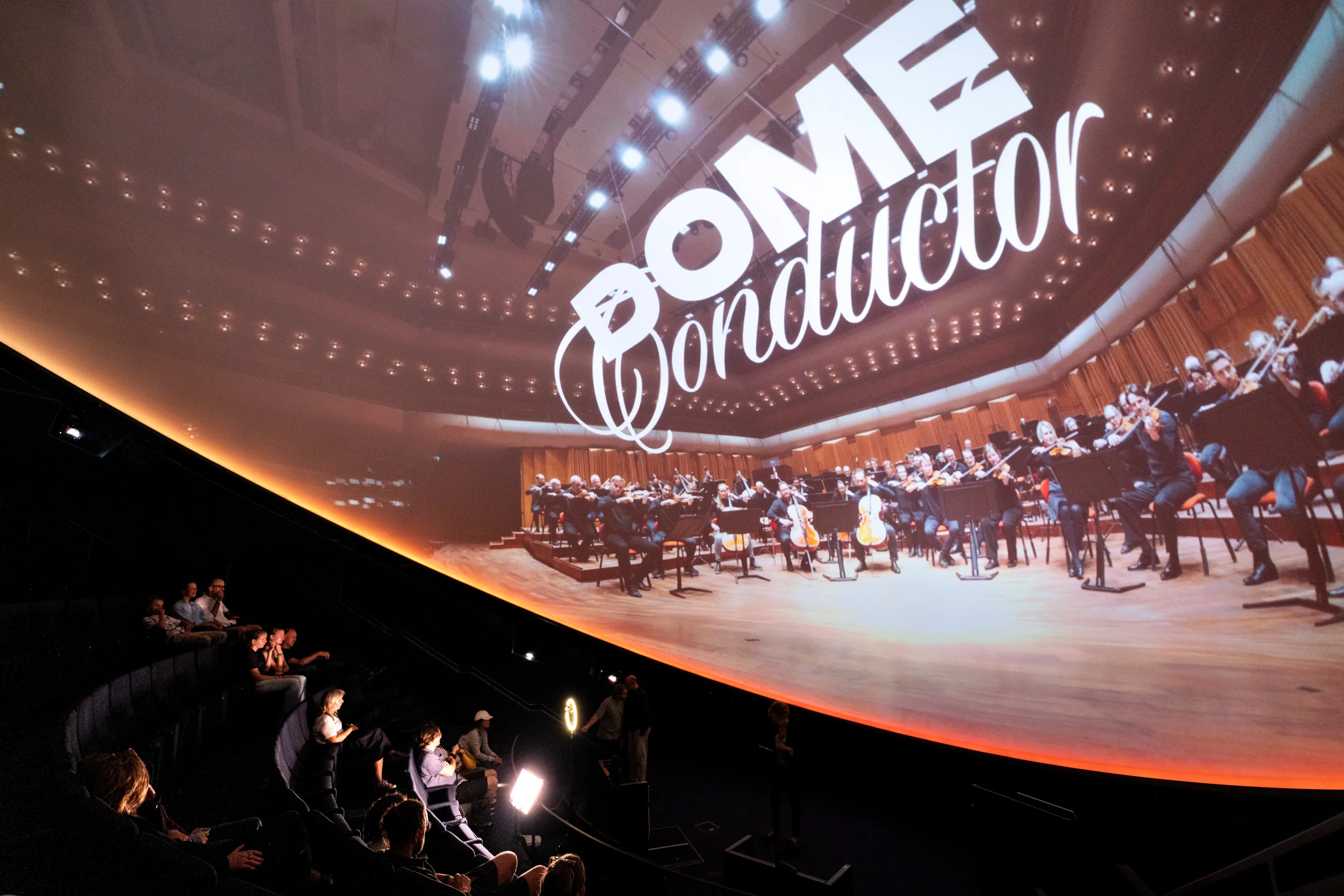
Dome Conductor
KTH Royal Institute of Technology · 2025
A live fulldome installation at Tekniska museet, built with KTH: visitors conduct the Swedish Radio Symphony Orchestra with their hands.
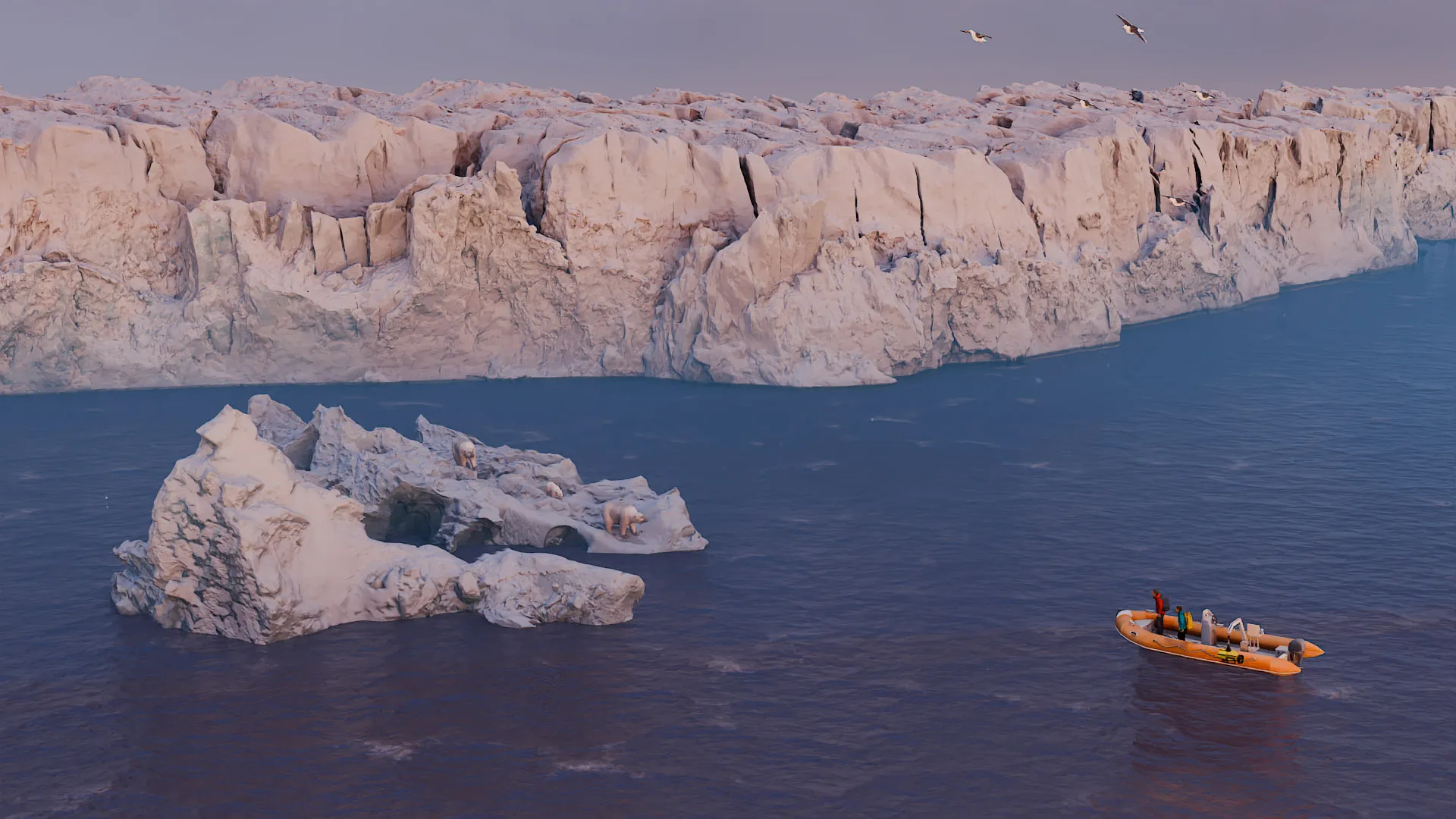
ICEVR
XR4ED, EU-funded project · 2025
A VR classroom experience built on three EU-funded Arctic research programmes, funded through the open call of the Horizon Europe project XR4ED.
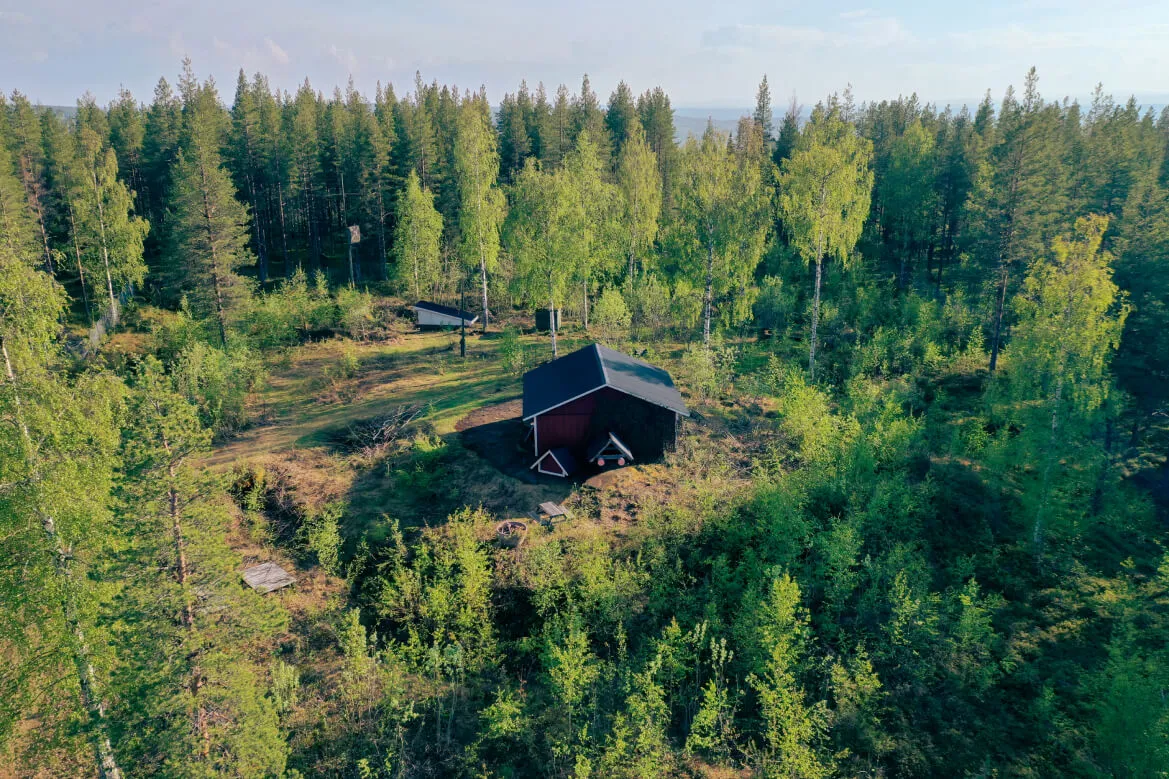
Victoriafortet 3D & 360
The National Swedish Museums of Military History · 2023
Two VR experiences of a Cold War fort for The National Swedish Museums of Military History: a 360° story for any device and a full 3D version for headsets.
How to start
Tell us about the project. These answers help:
- What is the story or the subject, and who should it reach?
- Where will people experience it: a museum, a classroom, a dome, a browser or a headset?
- When does it need to launch, and is there a fixed date such as an opening or a grant deadline?
- What is the budget, or the range you are working within?
- Who else is involved: researchers, curators, funders?
Who to talk to
We reply within one working day.
Fredrik Edström
Producer and co-founder
New projects, quotes, budgets and partnerships
Martin Edström
Director and co-founder
Creative direction, 3D capture, press and talks
hello@ivar.studio · +46 (0) 733 13 05 69
IVAR Studios AB · Org. nr 559059-5392
Mäster Mikaels gata 2A, 116 20 Stockholm, Sweden