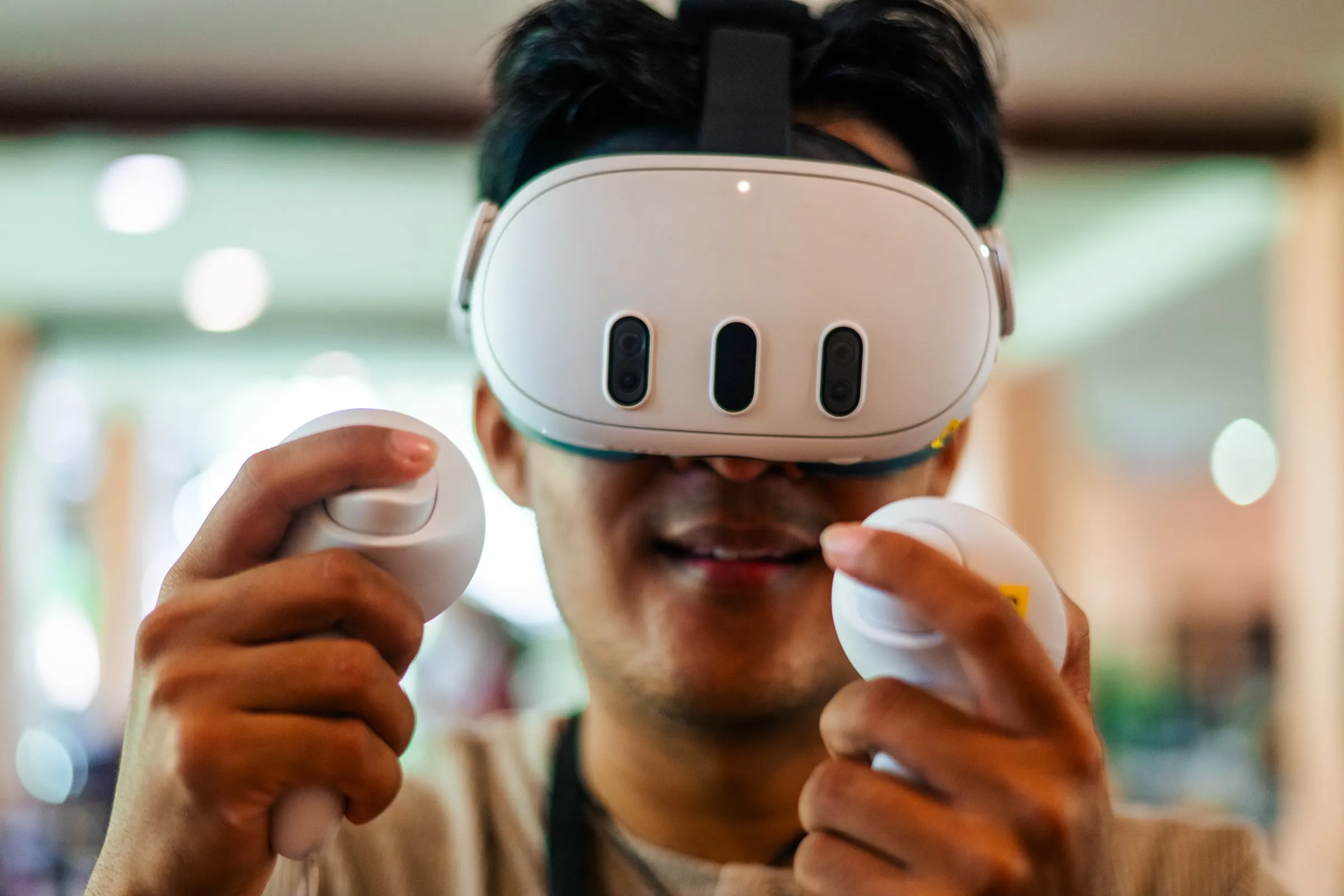
A workshop participant wearing a VR headset and holding two controllers, smiling

Immersive storytelling workshops

Hands-on workshops for teams who want to tell their story in new formats. We bring the headsets, the 3D scans, the AI tools and a decade of production experience — you bring the story you need to tell.

Not a tech demo. A working session.

We've been running immersive workshops for years — with creator and fellowship programmes, with museums and heritage institutions, with researchers inside EU projects, and with students and educators in Sweden.

The format we keep coming back to is simple: short, sharp presentations on what immersive formats can actually do, interleaved with a practical assignment that participants work on themselves. Everyone gets their hands on the equipment. Everyone leaves with a concrete idea for an experience, not a set of slides.

The technology is the hook. The real subject is narrative — how a story changes when the audience is standing inside it, when they can ask it questions, when there's no frame to hide outside of. That's the part most teams have never worked through, and it's the part we're good at.

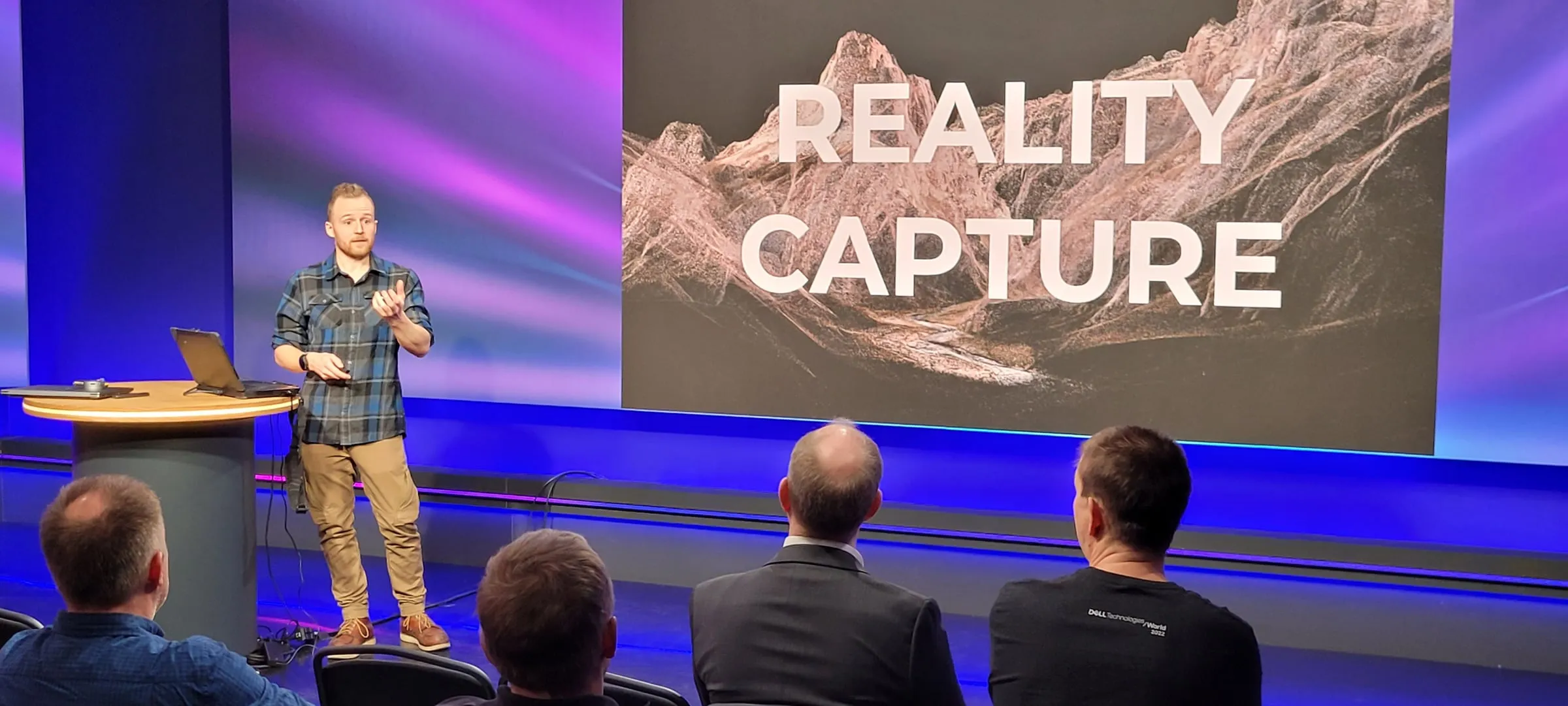
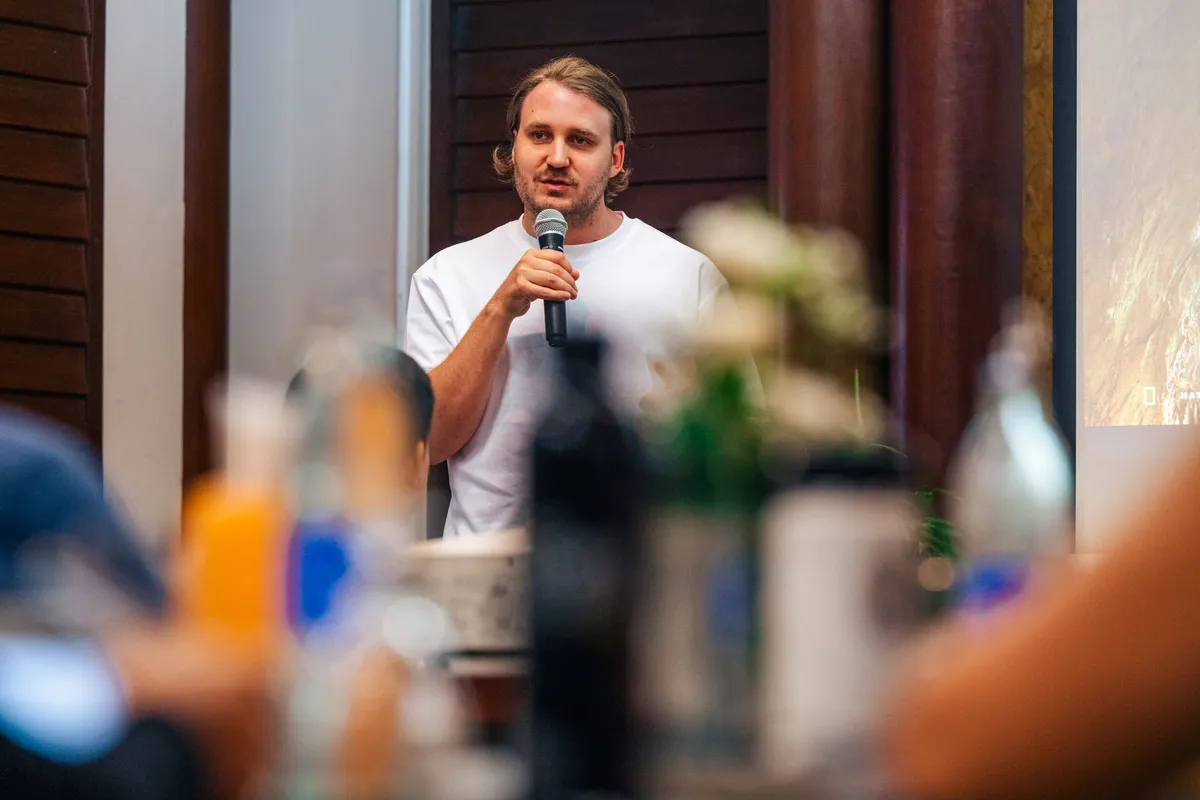
Martin Edström presenting to a workshop cohort
Three-day immersive storytelling workshop for a creator cohort

Half a day, a full day, or three days

Same philosophy, different depth. We'll tell you honestly which one fits what you're trying to achieve.

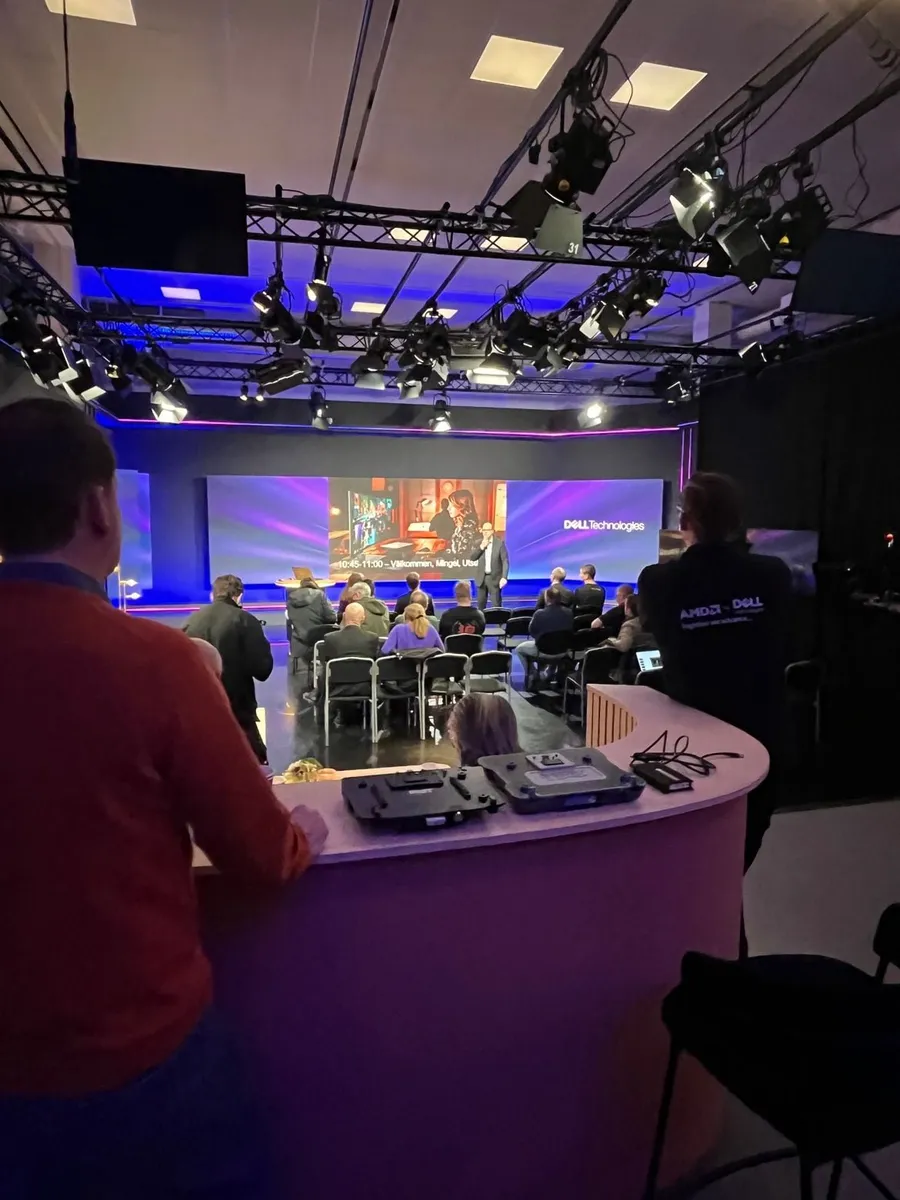
An audience in a studio watching an immersive storytelling presentation on a large screen

Half day · 3–4 hours

Get the team fluent

An intensive introduction. What immersive formats exist in 2026, what they cost, what they're good for and where they fail. Two or three hands-on stations so nobody is talking about a format they've never experienced.

Best for
leadership groups, kick-off days, conference programmes, teams deciding whether immersive is worth pursuing at all.
You leave with
shared vocabulary, a realistic sense of scope and budget, and a shortlist of formats worth exploring.
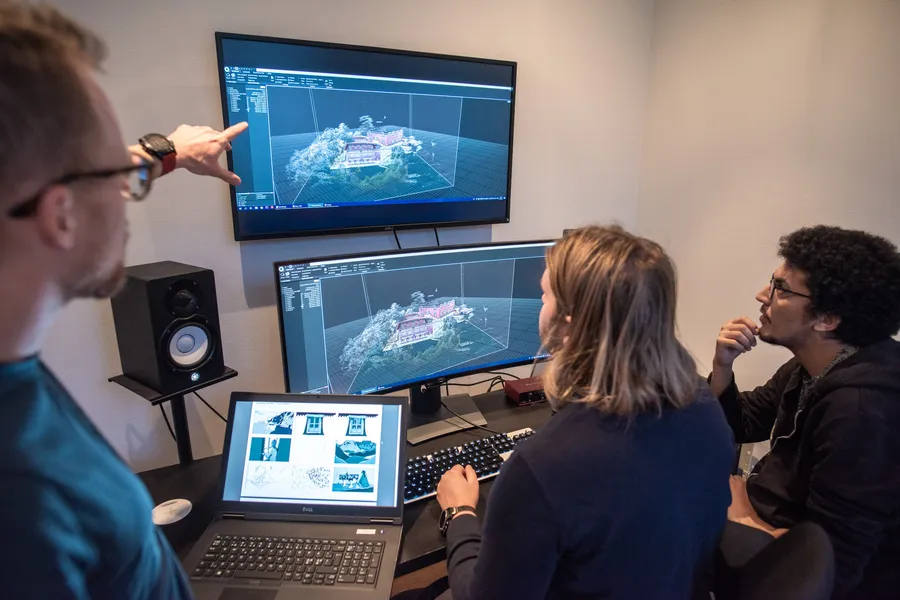
Three participants working through a 3D scan on two screens during a workshop

One day

Find your format

The half-day content, plus a structured working session on your own material. Participants work in small groups, test the hardware properly, and develop a first concept for an experience built on something you already have — a collection, a dataset, a site, a research project.

Best for
museum and institution teams, research groups, communications departments, agencies adding immersive to their offer.
You leave with
two or three developed concepts, tested against what is actually producible, plus group presentations and our written feedback.
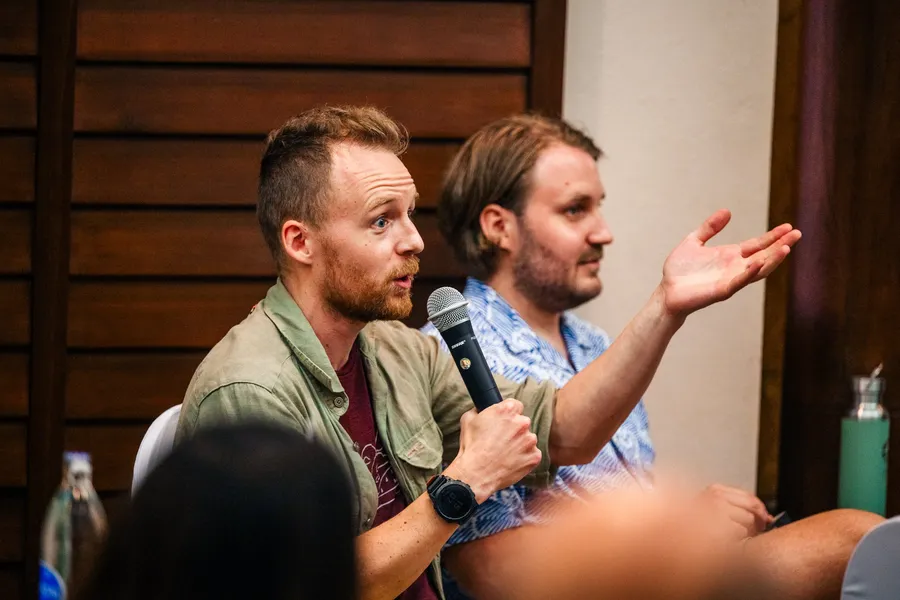
Two workshop participants in discussion, one holding a microphone

Three days

Build the idea properly

Our deepest format, and the one we've refined most — the structure we've run for creator cohorts and fellowship programmes across Europe and Asia. Three days of presentations, hands-on production and critique, with one running assignment: develop an idea for an immersive experience — not a book, not a film, not a photo essay — and present it at the end. Participants get time with the hardware across all three days, learn to capture and view their own 3D material, and work through narrative structure, audience and distribution with us.

Best for
creator cohorts, fellowship and grantee programmes, incubators, project consortia at the start of a multi-year programme.
You leave with
fully developed concepts, hands-on capability in the team, and — in our experience — two or three people who go on to make immersive work part of their practice for good.

Delivered at your venue, at ours in Stockholm, or as part of a longer programme or retreat. We travel. All formats run in English or Swedish.

Plenty to put your hands on

We arrive with the kit. Participants don't watch us demonstrate — they install it, break it, record it and critique it themselves.

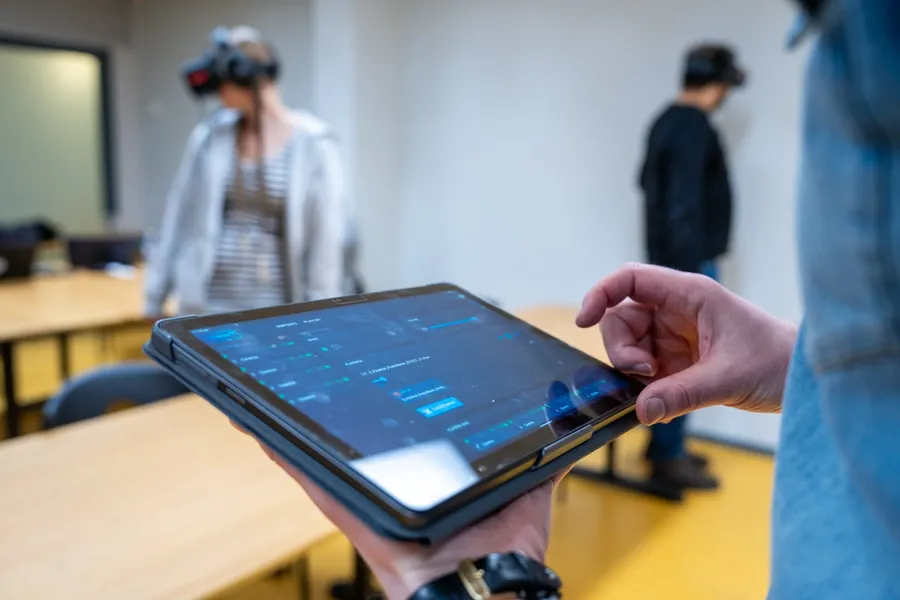
A tablet controlling a VR session while two students wear headsets in a classroom

VR headsets, properly used

Not a two-minute taster. Participants set up the headsets, work through a full experience, learn to screen-record from inside it, and analyse what the format does well and badly.

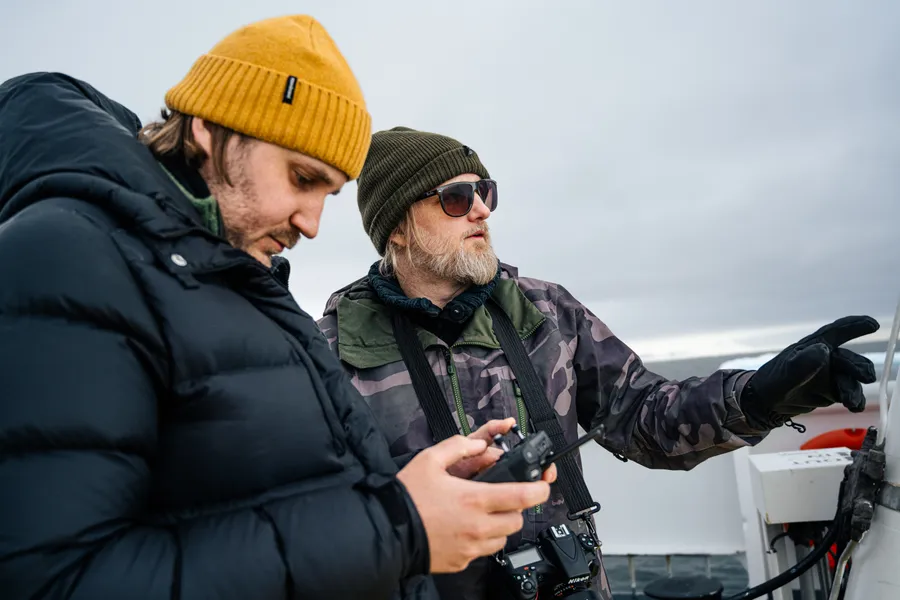
Two people reviewing a camera while capturing photogrammetry in the field

Scan something in the room

Photogrammetry and Gaussian splatting from a phone or camera, processed during the session. An object, a façade, a whole room — turned into a 3D model participants can walk through by the end of the day.

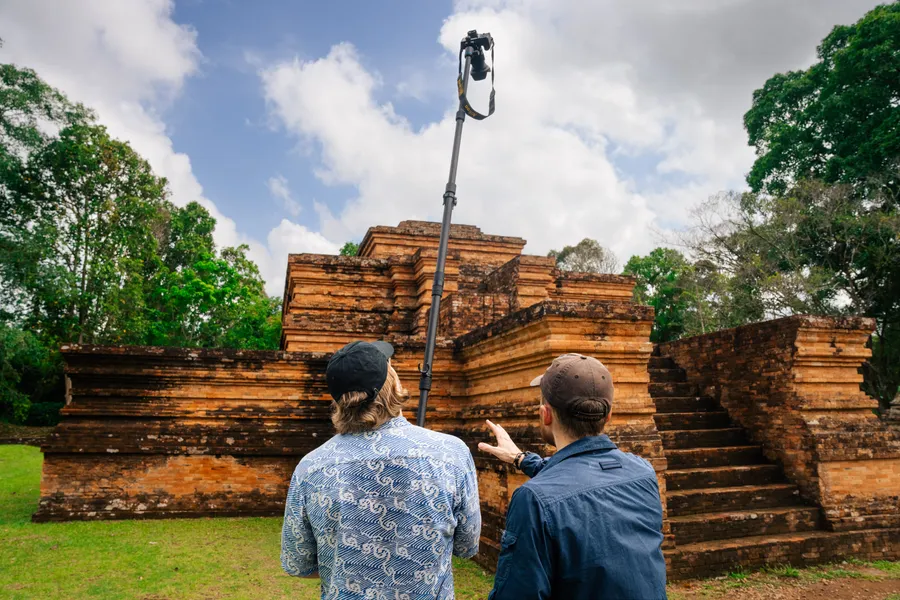
A 360 camera on a pole in front of a temple, with two people checking the shot

360 capture and the rules that come with it

Shooting 360 video and stills, then confronting the hard part: you are the camera, nothing can be framed out, and every viewer sees a different film. We teach the working principles we've built over a decade of 360 production.

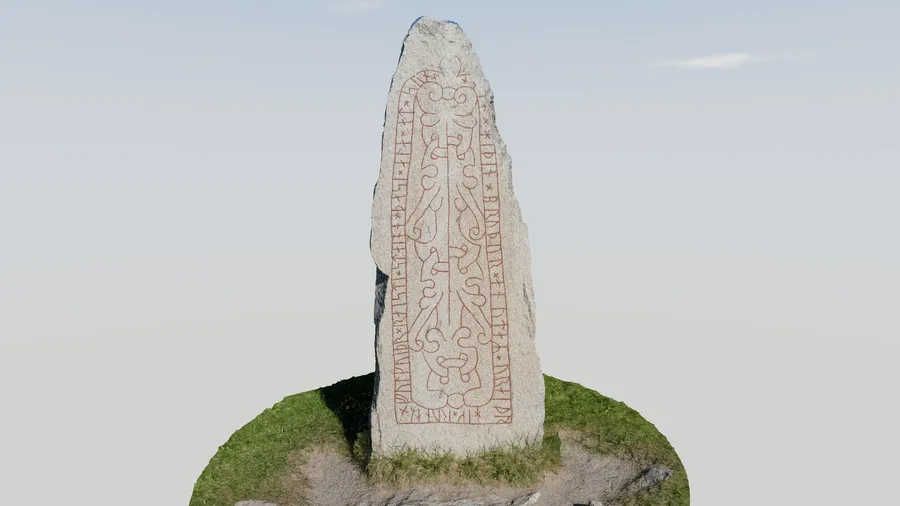
A 3D-scanned runestone in the field.tours engine

Talk to a 3D site

Try field.tours, our engine for AI-guided tours of 3D-scanned heritage and field sites. Ask a scanned landscape a question and get an answer bounded to approved sources — then discuss what that means for authority and trust.

About field.tours →
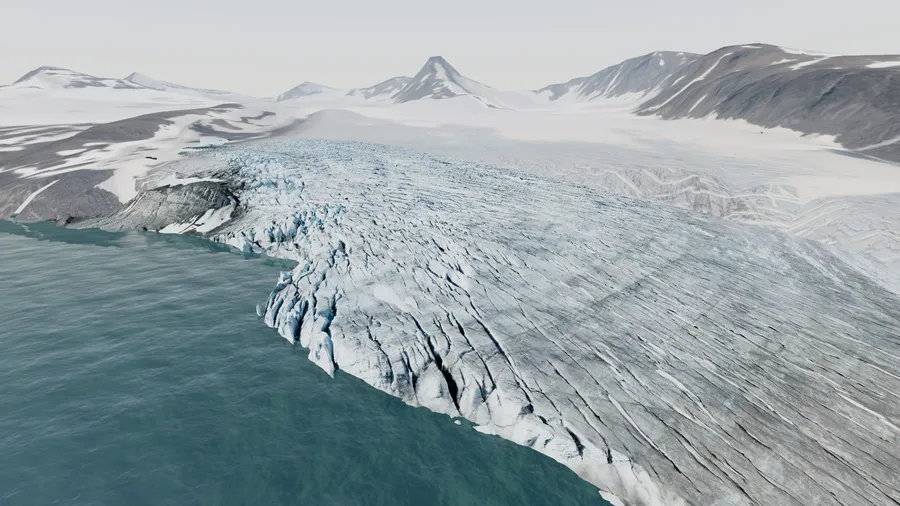
A 3D-scanned glacier front from an exped.earth expedition case

Interactive stories in the browser

Our exped.earth framework: scrollable, interactive web narratives built from real field campaigns. No app, no headset, instantly shareable. Usually the format teams end up choosing.

About exped.earth →
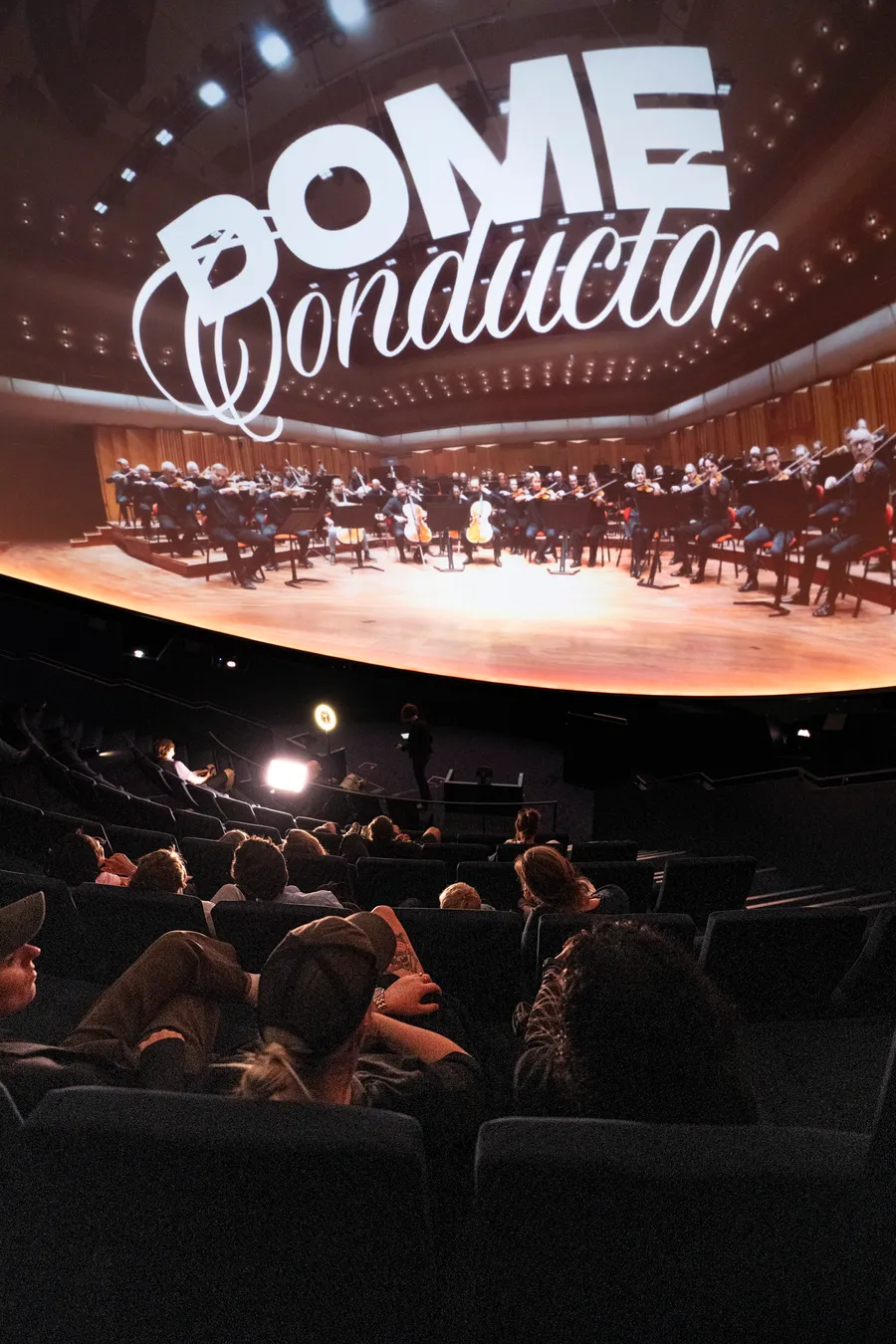
An audience under a fulldome projection

Fulldome and large-format

How storytelling changes on a dome or a wraparound screen, with material from our own fulldome productions. Where a venue partnership is available, we run this session in the dome itself.

See Dome Conductor →

Four threads, mixed to fit you

Every workshop draws on the same four areas. The balance is what changes — a museum team and an AI-curious research group get very different days out of the same toolkit.

01

Storytelling first

Narrative structure for immersive media: how to hold attention without a frame, how to guide a viewer who can look anywhere, and when the honest answer is that your story should be a film or an article instead. This thread is never optional.

02

New formats

A clear-eyed tour of the landscape — WebXR, interactive web, VR, AR, fulldome, installation and on-site experiences. What each costs, what each demands from an audience, and which ones your audience will actually reach.

03

3D and reality capture

Photogrammetry, Gaussian splatting, gigapixel and HDR capture, and how to make 3D material usable rather than just impressive. The same workflows behind our glacier, Arctic and heritage work — and the scans we made for Avatar: The Last Airbender.

See the Avatar scans →
04

AI, used seriously

Where AI genuinely helps: guides and companions grounded in approved sources, semantic tagging of 3D scenes, adapting language for different ages and audiences, and speeding up production. Also where it doesn't — hallucination, provenance and the institutional trust problem. We build these systems ourselves, so this is practice, not speculation.

Who we run these for

Museums and heritage institutions

Teams with collections, sites or archives and no clear route into digital formats. We've run this with Swedish museums and heritage institutions.

Researchers and science communicators

Groups who need their work to reach beyond the paper. Often as part of an EU project work package, sometimes ahead of a funding bid.

For researchers →

Creator and fellowship programmes

Photographers, filmmakers, journalists and explorers moving into immersive work. The three-day format was built for exactly this.

Agencies and production companies

Teams who want immersive capability in-house rather than subcontracted every time.

For agencies →

We've done this a lot

10 years

of immersive production for Netflix, Disney and EU research programmes

2–3

participants per three-day cohort who go on to make immersive work part of their practice

5

Swedish upper-secondary institutions that tested our ICEVR classroom material with their teachers

9.6–10

average educator rating for that material, across every statement in the evaluation

Who We Work With
MetaGoogleDellNikonUNDPDisneyImportant Looking PiratesKTH Royal Institute of TechnologyLand RoverOnePlusVolvoStockholm ExergiInternational Rescue Committee MetaGoogleDellNikonUNDPDisneyImportant Looking PiratesKTH Royal Institute of TechnologyLand RoverOnePlusVolvoStockholm ExergiInternational Rescue Committee

"Working alongside IVAR Studios to develop 'Memories of Mexico' was a great experience. Their team's blend of technical expertise and storytelling magic together with our ideas, models and research turned our goals into a vivid, immersive reality. For us at the museum, venturing into VR was uncharted territory, and IVAR's guidance, creativity, and insights were invaluable."

Mattias Kästel

Museums of World Culture

Practical questions

How many participants?

Hands-on sessions work best at 8–24, in small groups of three or four. Larger groups work too, with the balance shifted towards presentation and demonstration. Tell us your number and we'll structure for it.

Where do you run them?

At your venue, at ours in Stockholm, or inside a longer programme, retreat or conference. We travel internationally and have delivered across Europe and Asia.

What do you bring, what do we provide?

We bring headsets, capture equipment and all workshop material. We need a room that can be darkened, reliable wifi, power, a projector or large screen, and enough floor space for headset use. We'll send a one-page technical rider.

Does the team need prior experience?

No. Most participants have never used a headset properly. The three-day format also works for experienced creators — we adjust the level to the cohort.

What language?

English or Swedish.

What does it cost?

It depends on format, group size, travel and how much of your own material we prepare in advance. Tell us what you have in mind and we'll come back with a fixed price.

Can a workshop be part of a funded project?

Yes, and often is. We're regularly written into EU and national research projects as the co-creation or communication partner, and we can help shape that work package before the bid goes in.

See For researchers →

Let's build the right workshop for your team

Tell us who's in the room and what you want them to be able to do afterwards. We'll propose a structure.